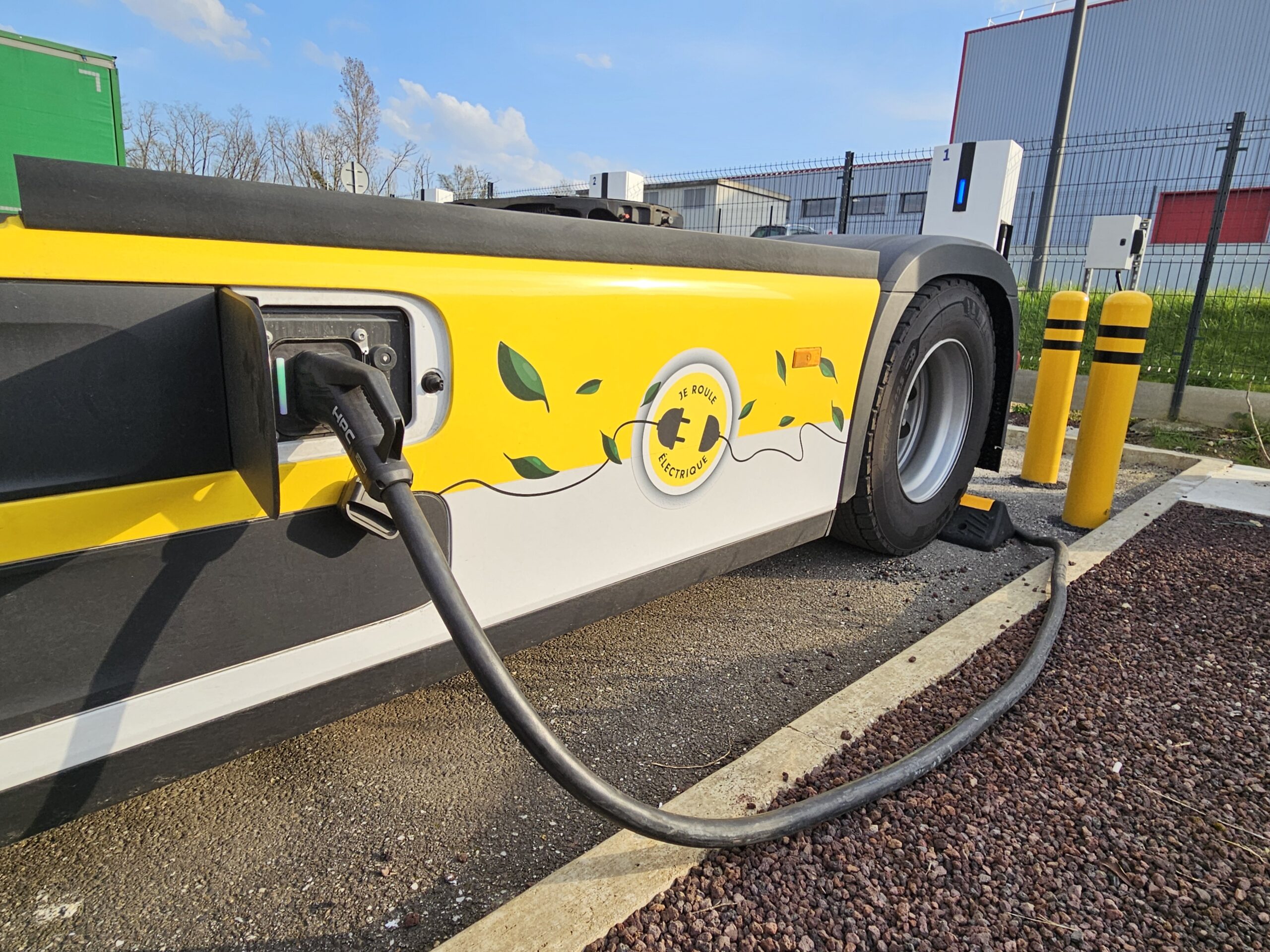
Connecting a heavy-duty electric vehicle (EV) charging depot to the power grid is often the most demanding part of an electrification project. In Canada, timelines can vary depending on the provincial utility, local permitting, and available capacity on the distribution network. Proper planning from the early stages helps streamline approvals and keep your project on schedule.
A key step is power pre-sizing: determining your depot’s current and future energy needs to ensure your grid connection will support your growing electric fleet.
Power Pre-Sizing: Building a Future-Proof Energy Strategy
Many fleet electrification projects are delayed because initial grid capacity requests didn’t fully consider future growth or operational changes. Accurate load assessment is essential: it defines the electrical power your site will need not just today, but for the next 5 to 10 years.
With power pre-sizing, you can:
- Establish realistic power targets for short-, mid-, and long-term operations.
- Align fleet charging schedules and routes with the available site capacity.
- Avoid costly grid upgrade requests later by planning expansion capacity in advance.
When done correctly, power pre-sizing helps secure a reliable and scalable connection to your local hydro grid.
The Value of In-House Technical Expertise
Organizations that manage grid connection studies internally gain a strong advantage. A multidisciplinary engineering team can:
- Design heavy-duty charging systems optimized for Canadian weather conditions and energy tariffs.
- Use simulation tools to model truck or bus duty cycles, identifying the most efficient charging windows.
- Leverage real-world experience from projects already connected to the Hydro-Québec, BC Hydro, or Hydro One networks.
This expertise ensures accurate documentation, reduces administrative back-and-forth with utilities, and helps keep commissioning dates on track.
Work Hand-in-Hand with Your Utility
Each provincial utility has its own procedures and approval processes for new capacity connections. Early engagement is key. By coordinating from the start, you can:
- Prepare a complete and compliant technical submission.
- Align study, validation, and construction phases with utility expectations.
- Optimize your connection route and interconnection type to minimize costs and delays.
Proactive communication with your utility partner can accelerate timelines and help secure the most cost-effective solution for your depot.
Deploy Temporary or Mobile Charging While Waiting for the Grid
While waiting for the permanent grid connection, temporary or mobile chargers can bridge the gap and get your electric fleet running sooner. These flexible solutions allow you to:
- Begin daily operations and driver training.
- Test your charging schedules and load profiles.
- Start cutting fuel costs and GHG emissions immediately.
Moderate Power Connections Can Go a Long Way
For many Canadian depots, a moderate-capacity connection can cover most operational needs, including:
- Overnight charging for delivery fleets.
- Slow-turnaround or regional service routes.
- Progressive electrification strategies across provinces.
With a well-designed electrical setup, even moderate-capacity depots can benefit from rapid installation, streamlined billing, and scalable infrastructure.
Ready to electrify your fleet responsibly? Let’s talk.