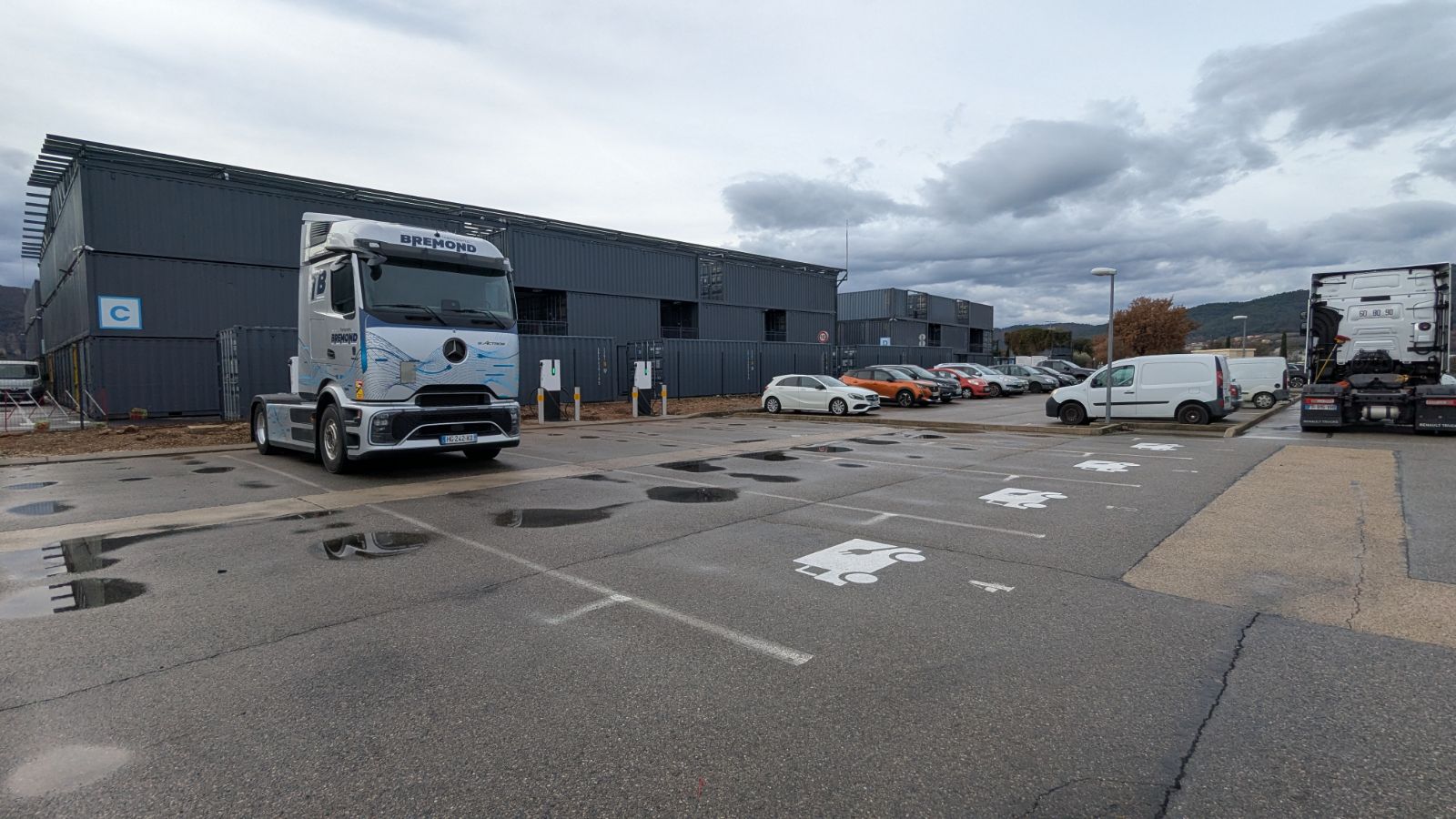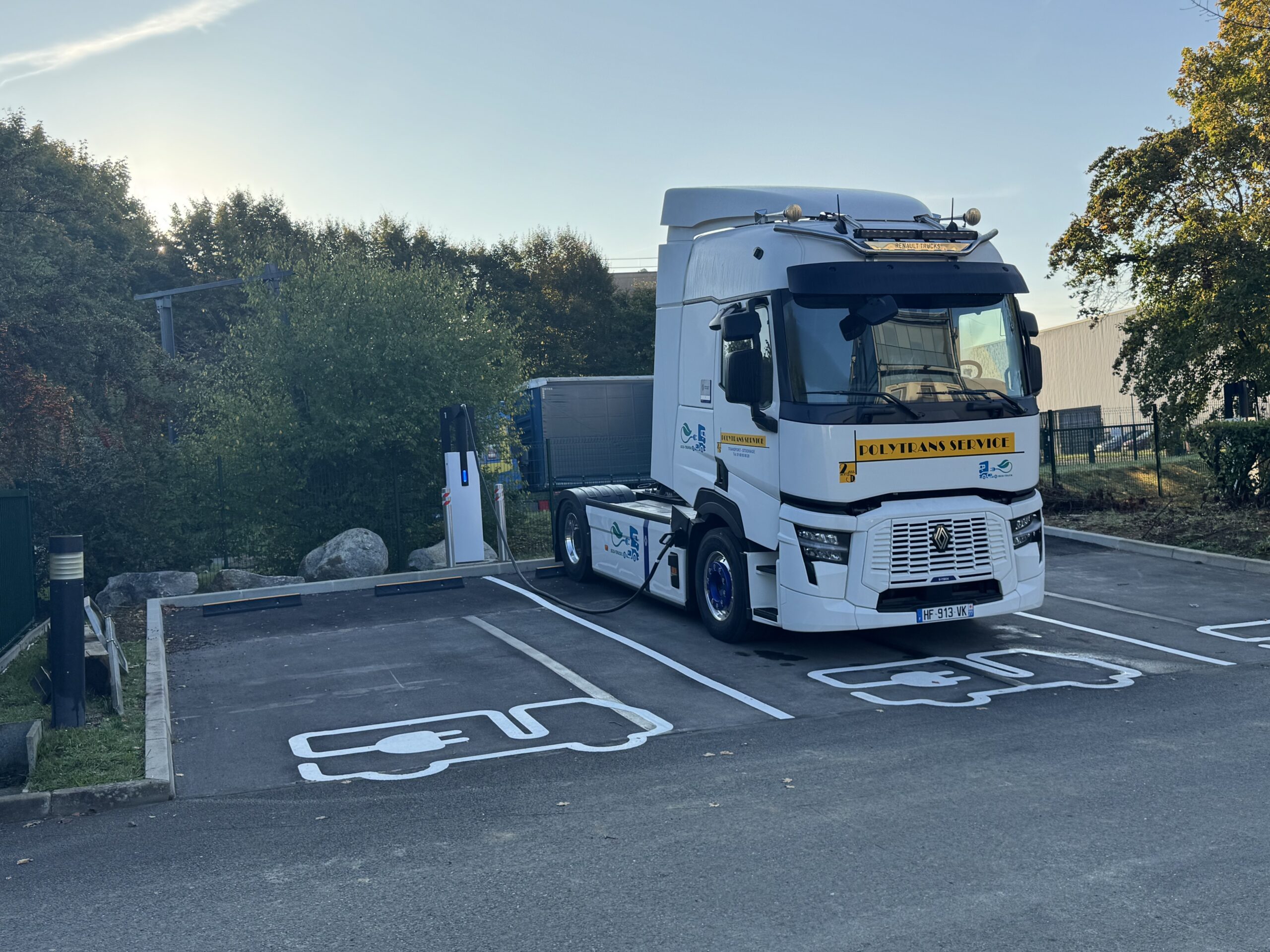
The electrification of truck fleets is no longer a long-term vision in Canada: it is already underway, driven by decarbonization objectives and public investments, particularly in Quebec and British Columbia. Quebec, in particular, has ambitious goals for reducing greenhouse gas emissions (GHG), reinforcing the urgency of this transition.
However, one question remains for many transport directors: what is the true Total Cost of Ownership (TCO) of an electric truck compared to a diesel truck?
Even today, the acquisition cost is often perceived as the main obstacle. In reality, TCO relies on several key levers: energy, maintenance, charging infrastructure, operational planning, availability, and residual value. And on this front, misconceptions are quickly changing.
1. Energy Costs: A Structuring Advantage in Quebec and Canada
In Canada, and particularly in Quebec, the cost of electricity represents a major competitive advantage for electric fleets, thanks to largely decarbonized energy and relatively stable rates.
While international studies, notably those from the ICCT, show that optimizing charging can achieve a cost per kilometer comparable to or lower than diesel, the Canadian context further enhances this advantage:
- Electricity prices are generally more stable than diesel, especially the tariff stability offered by Hydro-Québec,
- High availability of low-carbon energy (mainly hydroelectricity),
- And high potential for energy optimization at the depot level.
Chargepoly Expertise:
Thanks to our Lucie platform, carriers can manage their charging strategy in real-time based on:
- Operational needs,
- Network constraints,
- And tariff opportunities (dynamic pricing and/or power call reduction).
This approach ensures sustainable control over energy costs, which becomes a performance lever rather than an unavoidable expense.
2. Maintenance: An Advantage Amplified by Northern Climatic Conditions
Electric trucks have fewer complex mechanical parts, which significantly reduces maintenance needs.
According to the Journal of Cleaner Production (2024), maintenance costs are significantly lower than those for diesel trucks over the entire lifecycle.
Canadian Context:
In demanding winter conditions, electric vehicles also offer advantages:
- Less wear and tear related to engine cycles.
- Regenerative braking reduces brake wear.
- Less reliance on thermal systems sensitive to the cold.
The result: better vehicle availability and reduced operating costs. Canadian fleets are beginning to document this on-the-ground advantage.
3. Charging Infrastructure: A Strategic TCO Lever
In Canada, where distances are long and uses are varied, charging infrastructure is a determining factor in profitability.
A poorly sized strategy can lead to:
- Energy surcharges,
- Costly power peaks,
- Or loss of productivity.
Conversely, according to the ICCT (2021) and the IEA (2025), as well as work conducted by organizations like Propulsion Québec, optimized infrastructure can reduce TCO by up to 30%.
Chargepoly Expertise:
Our modular stations, coupled with Lucie, enable:
- Power pooling,
- Smoothing consumption peaks,
- And adapting infrastructure to fleet growth.
The infrastructure thus becomes a strategic asset, not merely a cost center.
4. Operational Planning: An Often Underestimated Key Factor
TCO heavily depends on the vehicles’ actual use.
ICCT studies show that:
- Trucks often drive less than their maximum capacity,
- Regulatory breaks and logistical stops offer natural charging opportunities,
- Well-planned charging avoids the costly use of public charging.
Canadian Context:
With long-distance journeys and climatic constraints, energy planning becomes critical for maintaining operational performance. Poor planning can generate 20 to 40% in additional costs.
5. Residual Value and Lifespan: A Favorable Dynamic
According to ResearchAndMarkets (2021), over a 15-year cycle, an electric truck can offer a TCO benefit of 8 to 16% compared to diesel.
This performance is based on:
- More stable depreciation (positively influenced slightly by initial government subsidies),
- Continuously improving battery lifespan,
- And lower maintenance costs.
6. Government Subsidies: An Essential Catalyst
Canada offers several support programs (federal and provincial), notably for vehicle purchase and infrastructure deployment.
In Quebec, the Aid to reduce GHG emissions in the road freight transport and service vehicle industry (Écocamionnage) is a major lever for acquiring zero-emission trucks. Federally, programs like iMHZEV (Incentives for Medium- and Heavy-Duty Zero-Emission Vehicles) also exist.
However, these aids are only a start-up lever. The true drivers of TCO remain:
- Energy costs,
- Operational performance,
- And infrastructure optimization.
7. A More Stable and Predictable TCO
Unlike diesel, which is subject to high volatility, the electric TCO is much more predictable:
- More stable electricity prices (particularly in Quebec),
- Controlled maintenance costs,
- Optimized energy management.
A key advantage for logistics managers, who can finally plan long-term with confidence. A Paradigm Shift for Canadian Carriers.
Conclusion
Recent studies (ICCT, IEA, ResearchAndMarkets, Journal of Cleaner Production) converge: the TCO of electric trucks is now competitive, stable, and strategic.
Provided that fleets optimize:
- Energy management,
- Charging infrastructure,
- Operational planning,
- And vehicle availability.
With Chargepoly, Canadian carriers can approach this transition with a comprehensive and controlled approach, transforming electrification into a sustainable economic advantage and a powerful tool for complying with decarbonization goals in Quebec and Canada.